DIY Troubleshooting: Quick Fixes for Common HVAC Issues at Home May 11, 2026
Start by addressing the core of many HVAC issues: the thermostat. If your system isn't heating or cooling effectively, check the thermostat settings. Ensure it is on the correct mode—'heat' or 'cool'—and that the fan is set to 'on' or 'auto'. Verify that the temperature is set correctly. If you have a programmable thermostat, review the settings to ensure they align with your desired schedule. Replacing the batteries can also be a quick fix when the thermostat screen is blank or the system isn't responding.
Another frequent culprit of HVAC troubles is an air filter clogged with dust and debris. A dirty filter restricts airflow, making your system work harder and less efficiently. Check and replace the air filter every 1-3 months, depending on usage frequency and whether you have pets. Clean filters not only improve air quality but also enhance the system’s efficiency, potentially reducing energy bills.
Unusual noises emanating from your unit can signal trouble. Rattling may indicate loose panels or parts, while squealing might suggest belt issues. A quick visual inspection can sometimes reveal the problem. Ensure that all screws and panels are securely fastened. If you identify a loose belt, it may require adjustment or replacement, which is best handled by a professional.
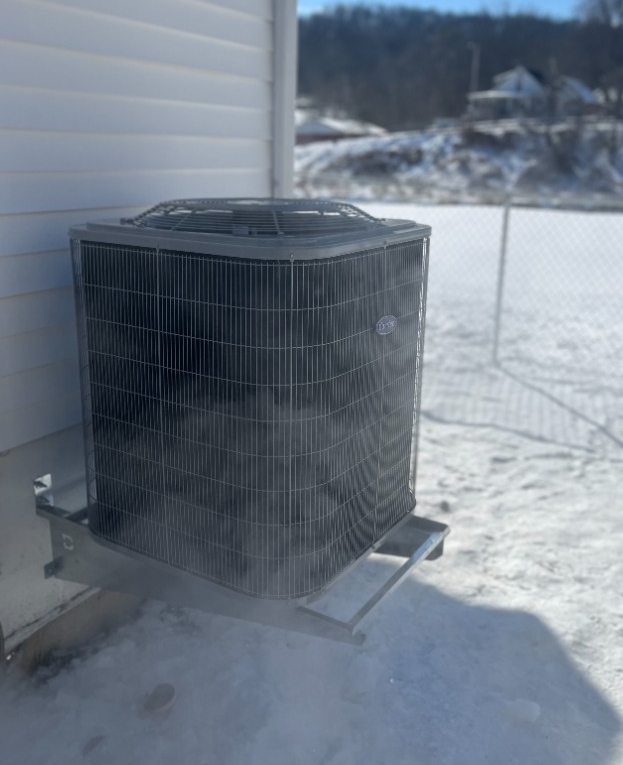
Inspecting the outdoor unit is also crucial. Vegetation, debris, and dirt can obstruct airflow, causing the system to operate inefficiently. Regularly clean around the unit, trimming any weeds or bushes and clearing away leaves. Additionally, look for visible damage or leaks in the refrigerant lines, which should be insulated and in good condition. Low refrigerant levels usually indicate a leak that should be repaired by a Coolies Heating and Air technician.
Sometimes, drainage issues cause HVAC systems to malfunction. Blocked drain pipes can lead to water leaks and moisture problems. Clear any visible blockages from the drain line and pour a mixture of bleach and water through the line to prevent algae growth and clogs. However, if water leaks persist, professional intervention is necessary.
For systems experiencing frequent cycling or short cycles, this might indicate an issue with system sizing, thermostat calibration, or airflow. While you can make initial checks yourself, such as confirming the filter is clean and thermostat settings are correct, if the problem persists, expert evaluation ensures appropriate corrective measures.
In conclusion, while these simple DIY checks can handle many common HVAC issues, it’s always wise to schedule regular maintenance with professionals like Coolies Heating and Air. Preventative care not only avoids potential breakdowns but also keeps your system operating efficiently year-round, ensuring comfort for you and your family. Remember, while DIY troubleshooting is beneficial, don't hesitate to contact professionals for persistent issues or complex repairs.
/filters:no_upscale()/filters:format(webp)/media/02127044-12d9-4bfc-95b0-dea1af4d6f65.jpeg)